Top.Mail.Ru

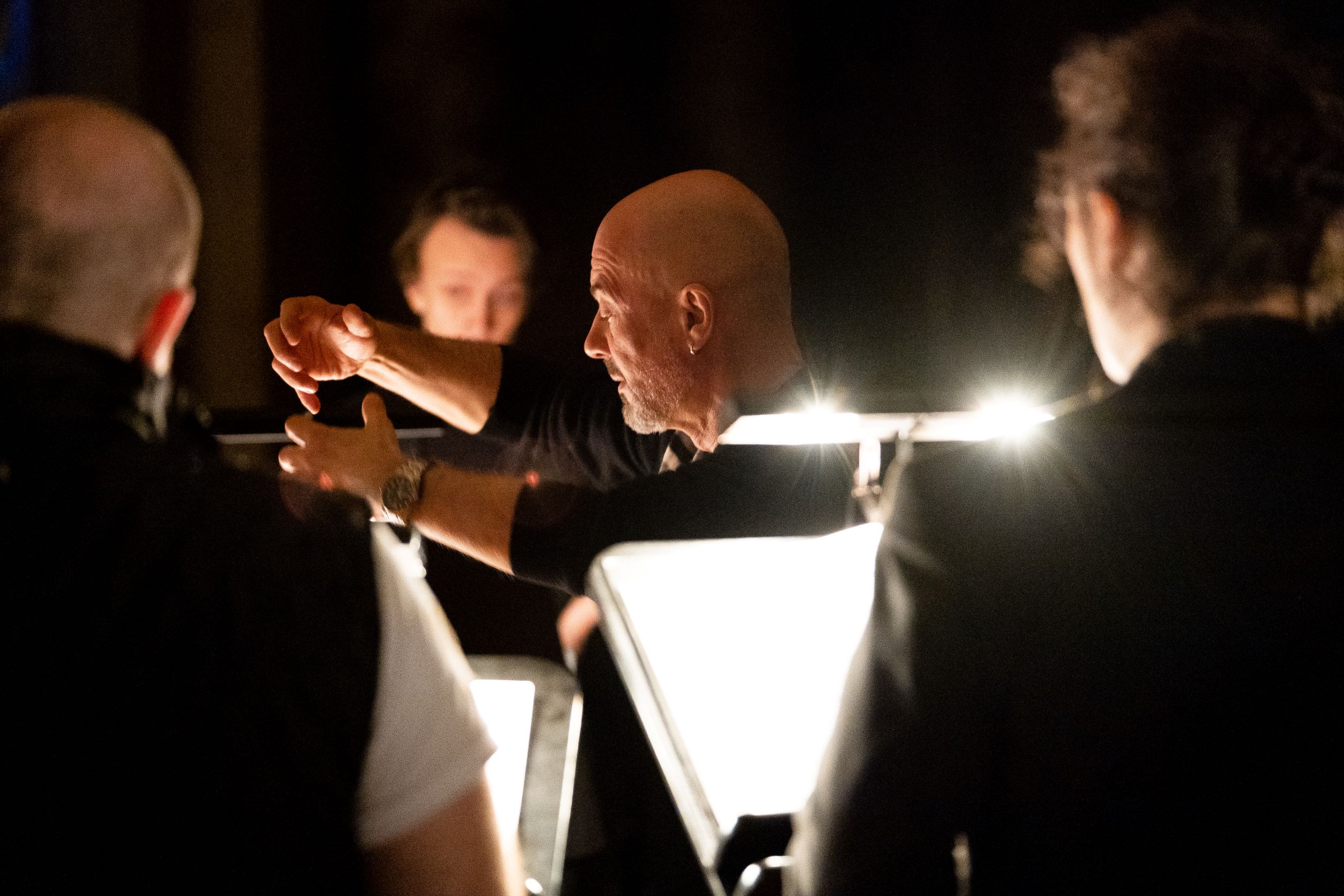
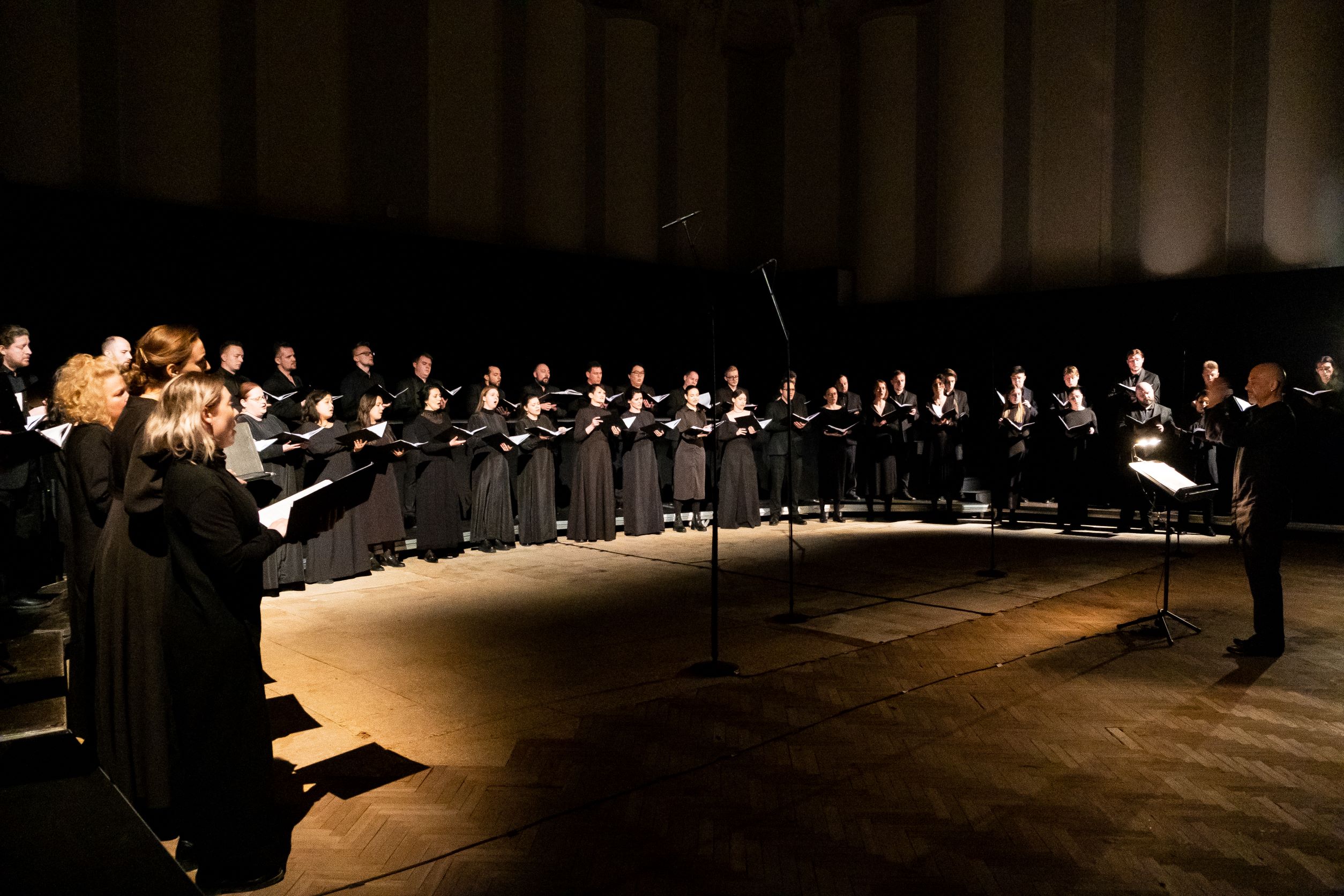
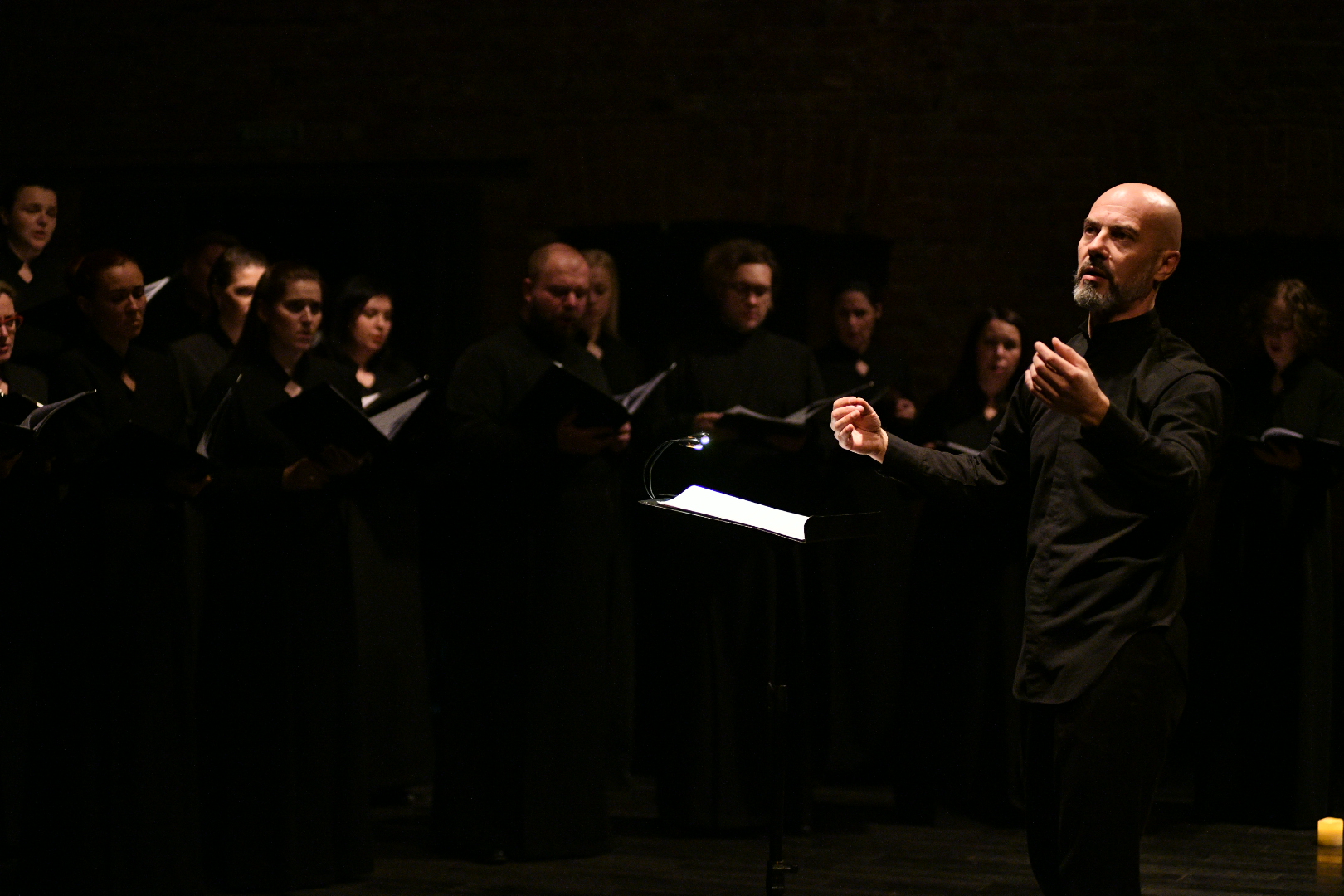
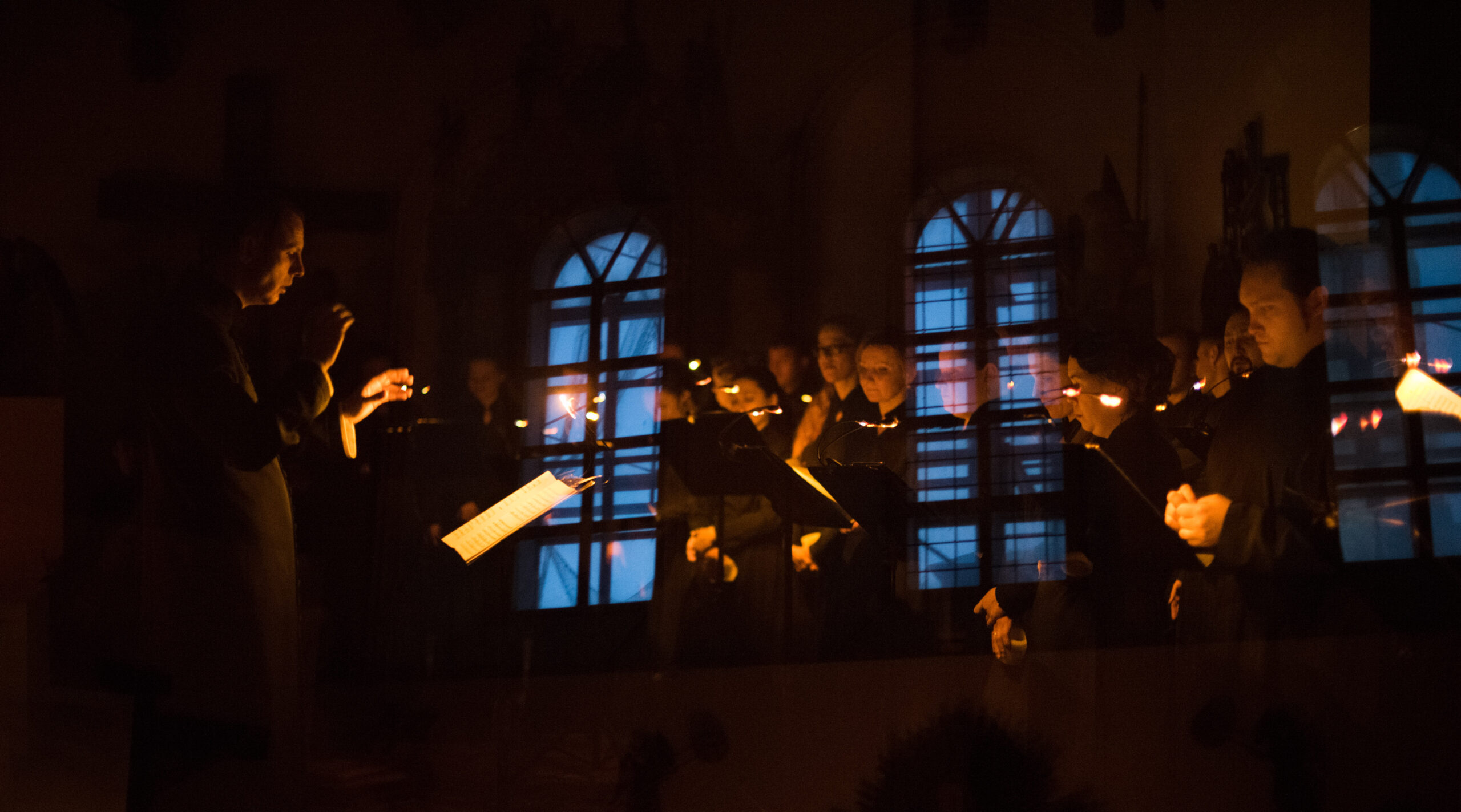
musicAeterna choir

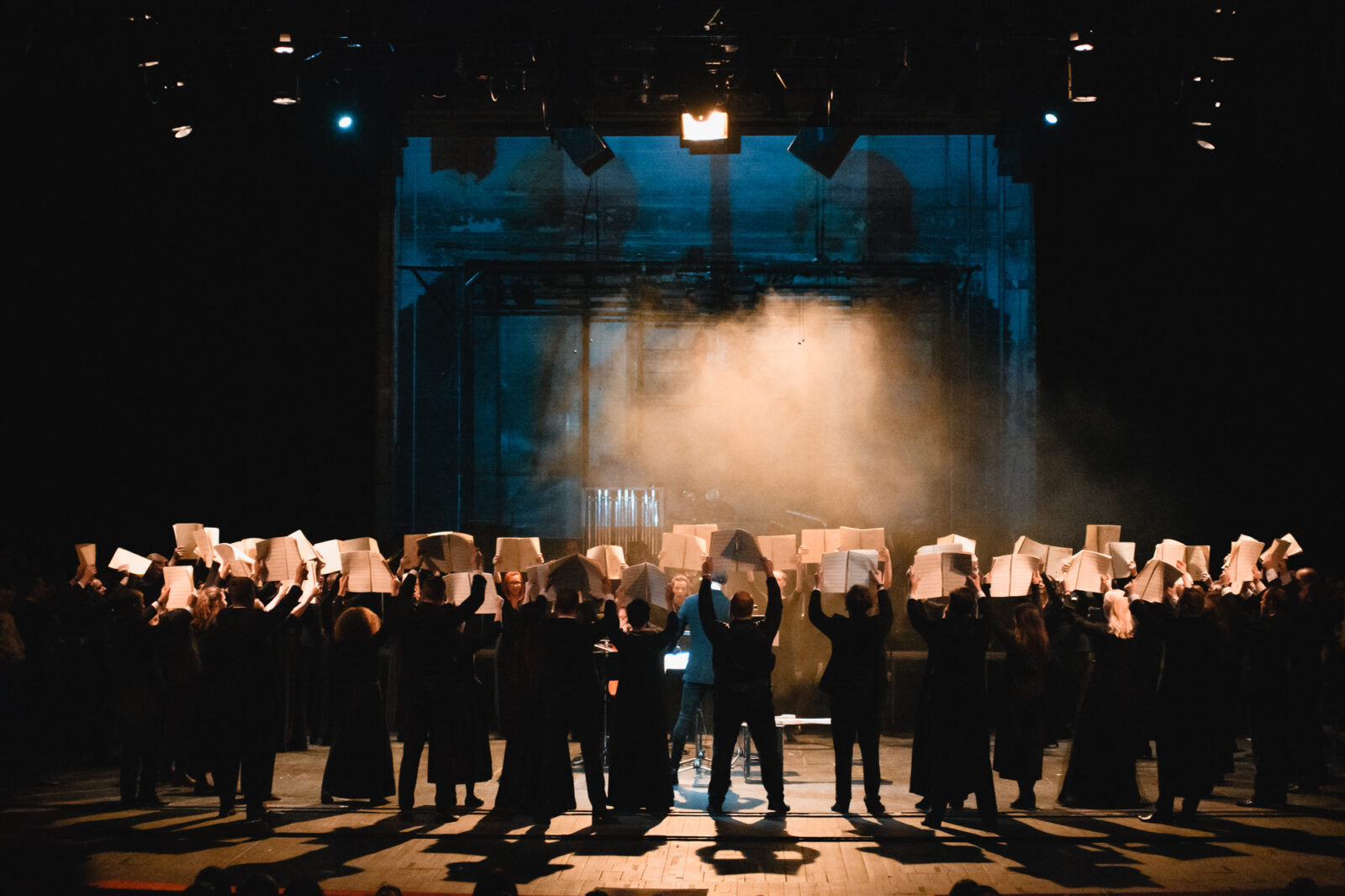
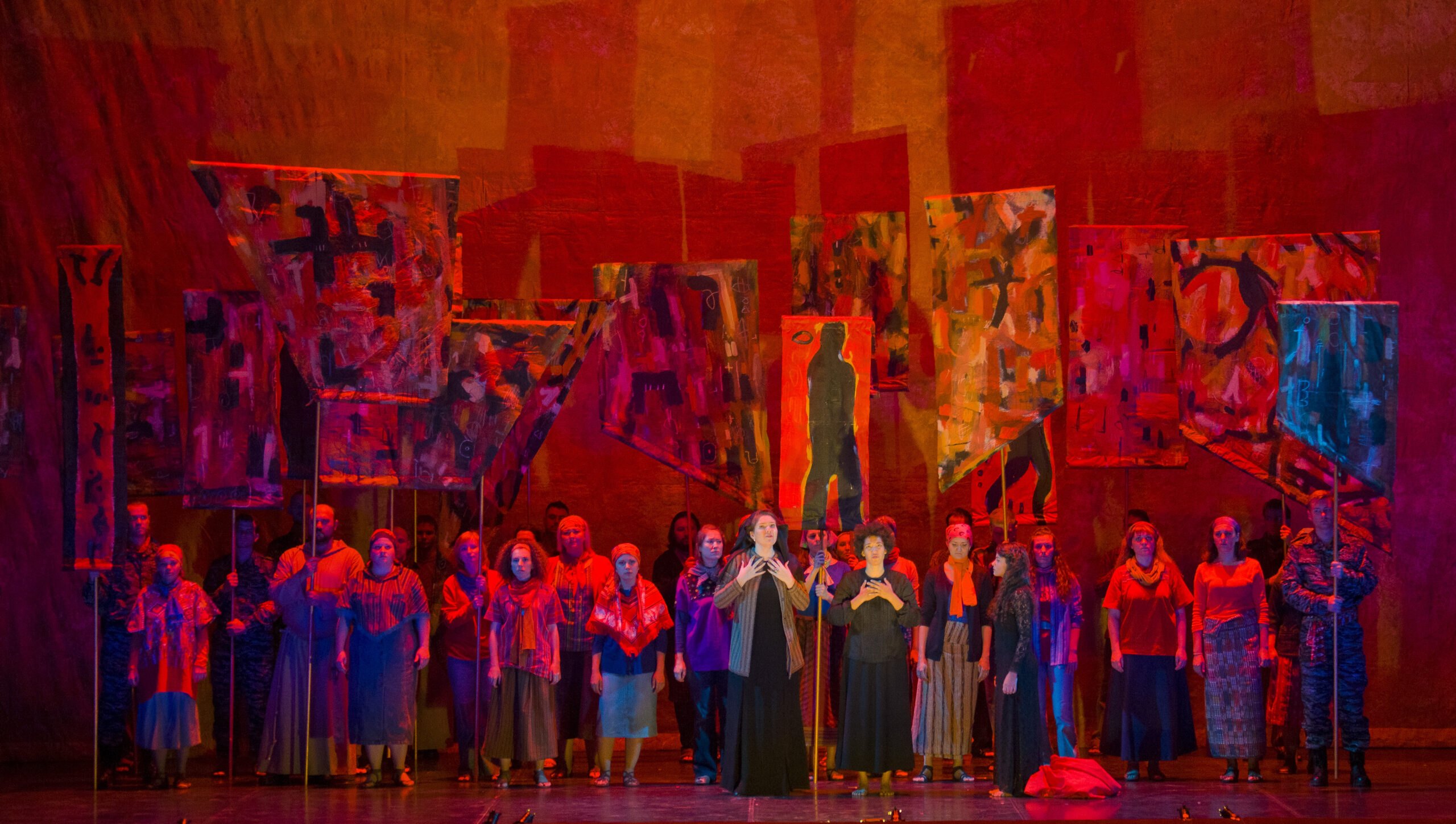
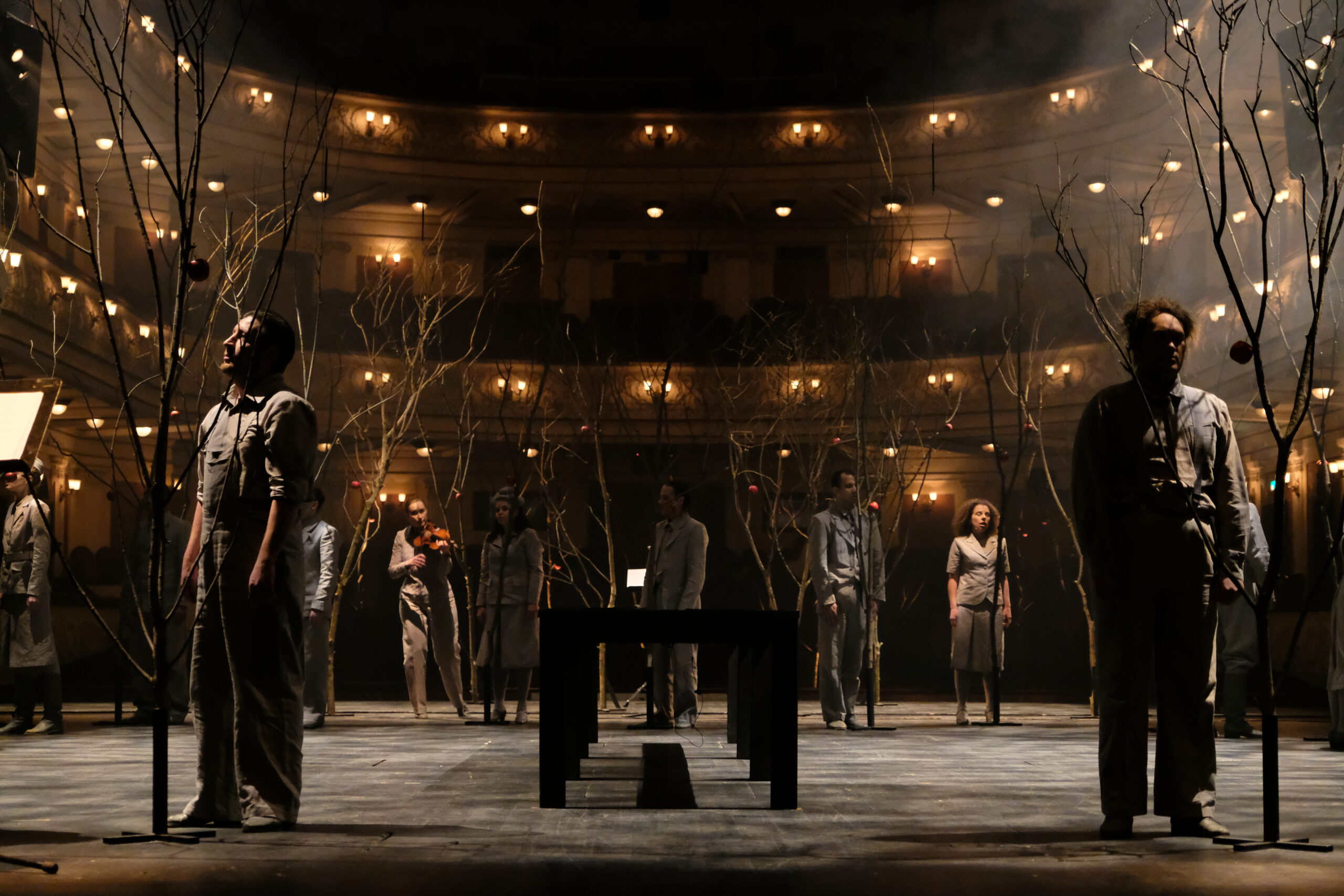
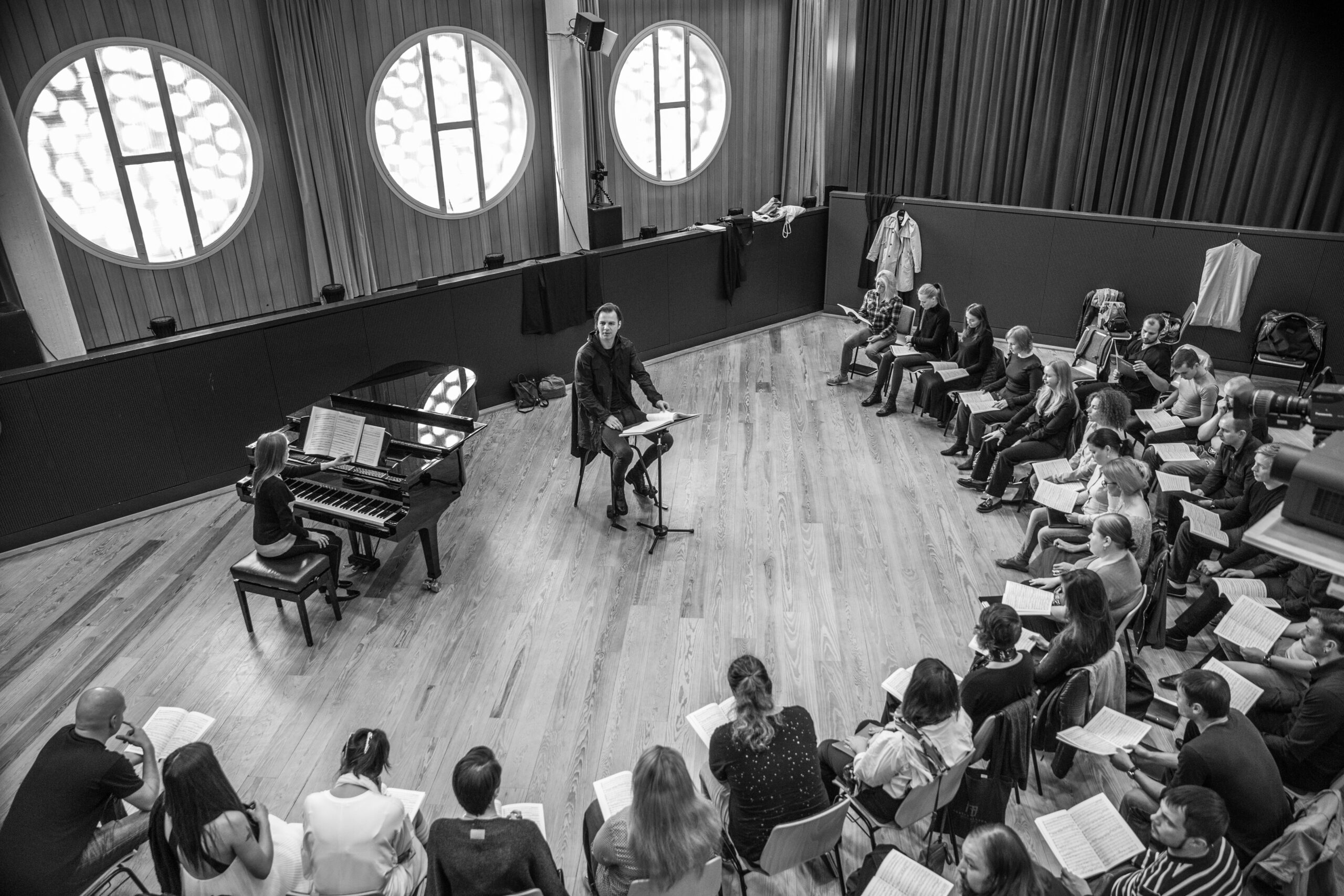
The musicAeterna choir was founded by Teodor Currentzis in 2004 in Novosibirsk. From 2011 to 2019, the collective was part of the Perm Opera and Ballet Theatre troupe. In 2018, the choir became a laureate of the Opera Awards.

The singers’ repertoire includes musical works by European and Russian composers of the 11th – 21st centuries. In Perm, the musicAeterna choir took part in premieres of operas by Mozart, Purcell, Offenbach, Borodin, Verdi and Puccini, as well as world premieres of specifically commissioned scores: Kourliandski’s “Nosferatu”, Hersant’s “Tristia” and Syumak’s “Cantos”. In Saint Petersburg, the choir collaborates with musicAeterna resident composers: Alexey Retinsky and Andreas Moustoukis.

The choir has had an exclusive contract with Sony Classical since 2012. Releases include the Mozart–Da Ponte trilogy, Stravinsky’s “Les Noces”, and a video recording of Purcell’s “Indian Queen” directed by Peter Sellars. The recordings have won numerous awards, including Preis der deutschen Schallplattenkritik, ECHO Klassik’s “Recording of the Year” and Opernwelt.

The musicAeterna choir collaborates with guest conductors such as Vincent Dumestre, Andres Mustonen, Paul Hillier and others. The ensemble has performed at the world’s leading stages all the way from Lisbon to Moscow and from Athens to Hamburg. The singers make frequent appearances at festivals in Salzburg and Aix-en-Provence. In 2019, the musicAeterna choir made its US debut with a performance of Verdi’s “Requiem” at The Shed (New York).

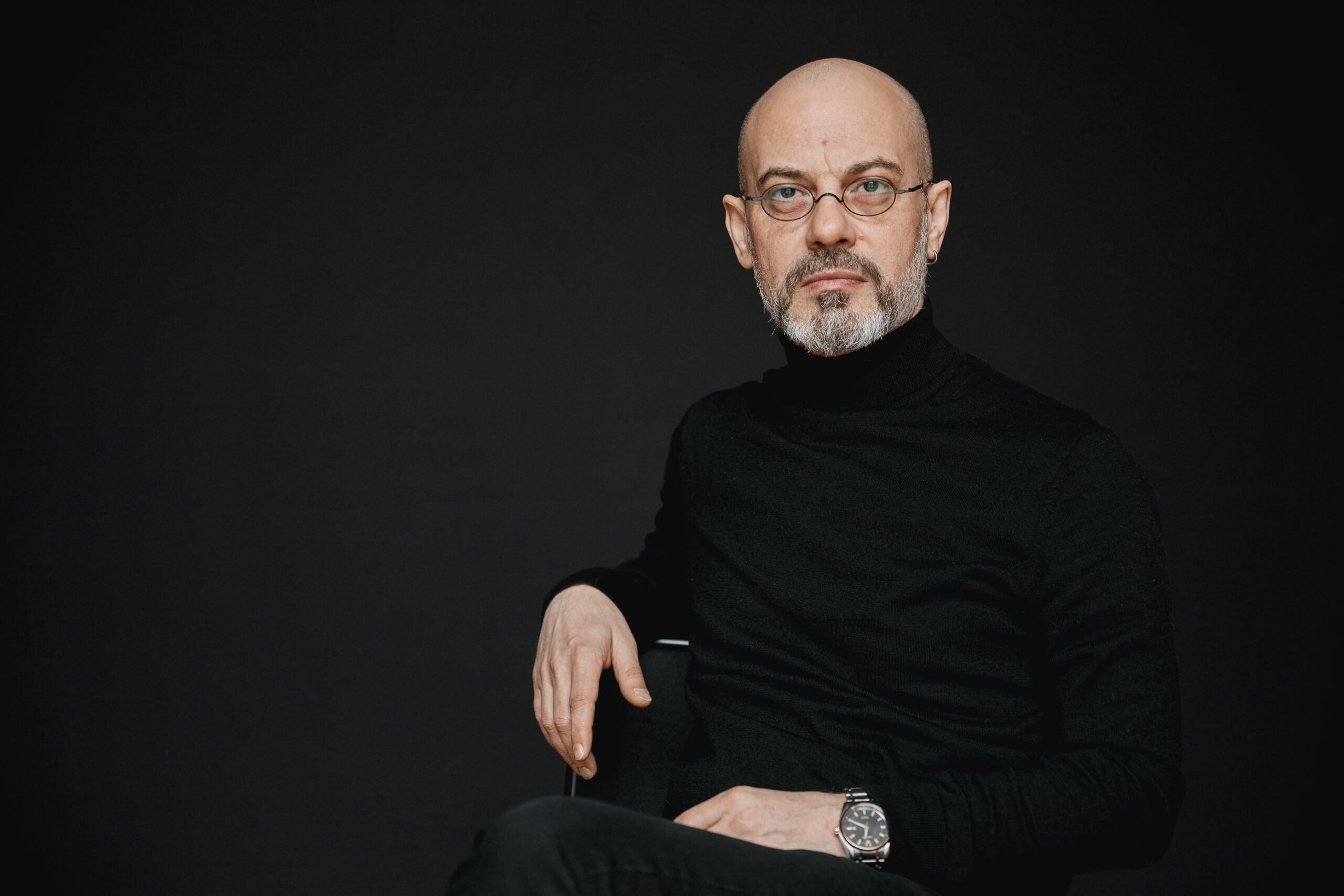
Chorus Master

Vitaly Polonsky

Vitaly Polonsky is principal chorus master of the musicAeterna Choir. A graduate of the Glinka Conservatory in Novosibirsk, he has been working with Teodor Currentzis since 2003.

musicAeterna choir events

+

Hildegardof Bingen (1098–1179)
O virga ac diadema | O branch and diadem
sequence

Teodor Currentzis
Alleluia

Φῶς ἱλαρὸν | O Gladsome Radiance
the entrance chant of Great Vespers, the Byzantine tradition

Sergei Rachmaninoff (1873–1943)
 Voskres iz groba |Christ is risen from the grave
Troparion No. 14 from the All-Night Vigil for mixed choir, Op. 37 (1915) 

Henryk Mikołaj Górecki (1933–2010)
Amen for mixed choir, Op. 35 (1975)

Ἐξομολογεῖσθε τῷ Κυρίῳ | Confess to the Lord
antiphon of the Byzantine tradition

Sub tuum praesidium | Under Your mercy we take refuge
hymn to the Virgin (3rd-4th century)

Alexander Knaifel (1943–2024)
Uteshityelyu | To thee, Comforter
Prayer to the Holy Spirit for mixed choir (1995)

Ave rex gentis anglorum | Hail, King of the English people
hymn to King Edward the Martyr (England, 11th century)

Francis Poulenc (1899–1963)
Ave verum corpus (1952)

Benjamin Britten (1913–1976)
A Hymn to the Virgin for double choir (1930)

Teodor Currentzis
Εωθινόν | Morning Chant (2022)

Improvisation on Bikapo sound sculptures

The programme is subject to change.

Musical Director and Conductor Teodor Currentzis
Stage Director Anna Guseva
Choirmaster Vitaly Polonsky
Choreographer Aisylu Mirhafizkhan
Lighting Designer Natalia Tuzova

Performers:

musicAeterna Choir
musicAeterna Dance
musicAeterna Orchestra soloists and guest artists:
Alexander Shirunov, accordion
Sasha Listova, piano
Andrey Baranenko, organ
Alexey Amosov, Andrey Volosovsky, Maxim Sanin, percussion
Yiorgos Kaloudis, classical Cretan lyra
Maria Zorkina, lever harp
Olga Komok, organetto

Bikapo improvisation performers:
Lada Raskolnikova
Alexey Sulin
Mikhail Myasoyedov
Eleonora Myasoyedova

+

Hildegardof Bingen (1098–1179)
O virga ac diadema | O branch and diadem
sequence

Teodor Currentzis
Alleluia

Φῶς ἱλαρὸν | O Gladsome Radiance
the entrance chant of Great Vespers, the Byzantine tradition

Sergei Rachmaninoff (1873–1943)
 Voskres iz groba |Christ is risen from the grave
Troparion No. 14 from the All-Night Vigil for mixed choir, Op. 37 (1915) 

Henryk Mikołaj Górecki (1933–2010)
Amen for mixed choir, Op. 35 (1975)

Ἐξομολογεῖσθε τῷ Κυρίῳ | Confess to the Lord
antiphon of the Byzantine tradition

Sub tuum praesidium | Under Your mercy we take refuge
hymn to the Virgin (3rd-4th century)

Alexander Knaifel (1943–2024)
Uteshityelyu | To thee, Comforter
Prayer to the Holy Spirit for mixed choir (1995)

Ave rex gentis anglorum | Hail, King of the English people
hymn to King Edward the Martyr (England, 11th century)

Francis Poulenc (1899–1963)
Ave verum corpus (1952)

Benjamin Britten (1913–1976)
A Hymn to the Virgin for double choir (1930)

Teodor Currentzis
Εωθινόν | Morning Chant (2022)

Improvisation on Bikapo sound sculptures

The programme is subject to change.

Musical Director and Conductor Teodor Currentzis
Stage Director Anna Guseva
Choirmaster Vitaly Polonsky
Choreographer Aisylu Mirhafizkhan
Lighting Designer Natalia Tuzova

Performers:

musicAeterna Choir
musicAeterna Dance
musicAeterna Orchestra soloists and guest artists:
Alexander Shirunov, accordion
Sasha Listova, piano
Andrey Baranenko, organ
Alexey Amosov, Andrey Volosovsky, Maxim Sanin, percussion
Yiorgos Kaloudis, classical Cretan lyra
Maria Zorkina, lever harp
Olga Komok, organetto

Bikapo improvisation performers:
Lada Raskolnikova
Alexey Sulin
Mikhail Myasoyedov
Eleonora Myasoyedova

+

György Kurtág (b. 1926)
Songs of Despair and Sorrow for mixed choir with instrumental accompaniment, Op. 18 (1980–1994)

So weary, so wretched to the words of Mikhail Lermontov (1840)
Night, an empty street, a lamp, a drug-store to the words of Alexander Blok (1912)
Blue Evening to the words of Sergei Yesenin (1925)
Where can I go to in this January? to the words of Osip Mandelstam (1937)
The Crucifixion to the words of Anna Akhmatova (1939)
It’s time to the words of Marina Tsvetaeva (1941)

Grabstein für Stephan | Gravestone for Stephan for guitar and instrumental ensemble, Op. 15c
(1989)

Johannes Brahms (1833–1897)
Ein deutsches Requiem | A German Requiem for soprano, baritone, choir and orchestra, Op. 45 (1865–1869)

Selig sind, die da Leid tragen | Blessed are those who weep, for they will be comforted
Denn alles Fleisch, es ist wie Gras | For all flesh is like grass
Herr, lehre doch mich, dass ein Ende mit mir haben muss | Lord, teach me that I must have an end
Wie lieblich sind Deine Wohnungen, Herr Zebaoth! | How lovely is Thy dwelling place, O Lord of hosts!
Ihr habt nun Traurigkeit | Ye now therefore have sorrow
Denn wir haben hier keine bleibende Statt | For here we have no continuing city
Selig sind die Toten, die in dem Herrn sterben | Blessed are the dead who die in the Lord

The programme is subject to change.

Performers:

Iveta Simonyan — soprano
Vladislav Chizhov — baritone

The musicAeterna Choir and Orchestra
Conductor — Teodor Currentzis 


Sold out
+

György Kurtág (b. 1926)
Songs of Despair and Sorrow for mixed choir with instrumental accompaniment, Op. 18 (1980–1994)

So weary, so wretched to the words of Mikhail Lermontov (1840)
Night, an empty street, a lamp, a drug-store to the words of Alexander Blok (1912)
Blue Evening to the words of Sergei Yesenin (1925)
Where can I go to in this January? to the words of Osip Mandelstam (1937)
The Crucifixion to the words of Anna Akhmatova (1939)
It’s time to the words of Marina Tsvetaeva (1941)

Grabstein für Stephan | Gravestone for Stephan for guitar and instrumental ensemble, Op. 15c
(1989)

Johannes Brahms (1833–1897)
Ein deutsches Requiem | A German Requiem for soprano, baritone, choir and orchestra, Op. 45 (1865–1869)

Selig sind, die da Leid tragen | Blessed are those who weep, for they will be comforted
Denn alles Fleisch, es ist wie Gras | For all flesh is like grass
Herr, lehre doch mich, dass ein Ende mit mir haben muss | Lord, teach me that I must have an end
Wie lieblich sind Deine Wohnungen, Herr Zebaoth! | How lovely is Thy dwelling place, O Lord of hosts!
Ihr habt nun Traurigkeit | Ye now therefore have sorrow
Denn wir haben hier keine bleibende Statt | For here we have no continuing city
Selig sind die Toten, die in dem Herrn sterben | Blessed are the dead who die in the Lord

The programme is subject to change.

Performers:

Iveta Simonyan — soprano
Vladislav Chizhov — baritone

The musicAeterna Choir and Orchestra
Conductor — Teodor Currentzis